My name is Marion Vermazen. I am a traveler, hiker, reader, Sun alumnus, computer geek, YouTuber, Spanish and French language student, knitter, weaver and genealogist.
Author: marionvermazen
I am a traveler, hiker, avid reader, Sun alumnus, computer geek, Spanish and French language student, knitter and genealogist. I am retired after working for almost 30 years in the Computer Industry. I live in Reno, Nevada with my husband Duke.
Today was day one of a three week road trip. We are heading to Iowa for Duke’s high school reunion.
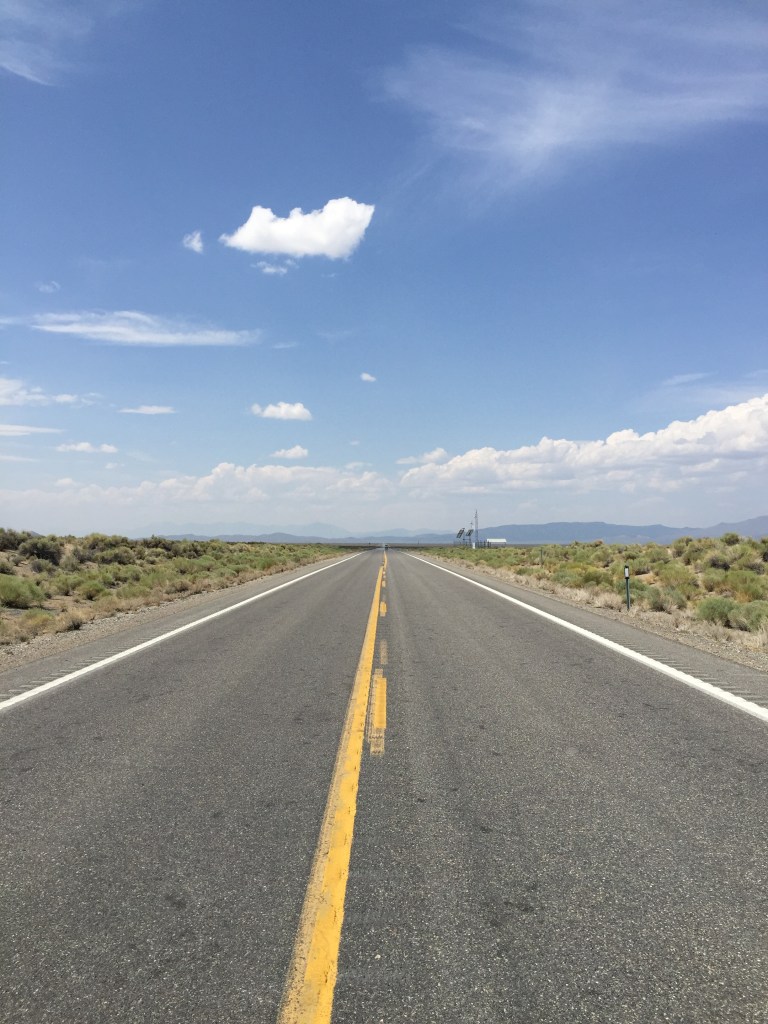
According to our plan, today was the longest day of driving, 500 miles from Reno to Filmore, Utah. We were on highway 50 crossing Nevada for most of the day. Highway 50 is called the loneliest highway in America. We saw lots of sagebrush, mountains, and a couple of small towns.
Highway 50 in the middle of Nevada.
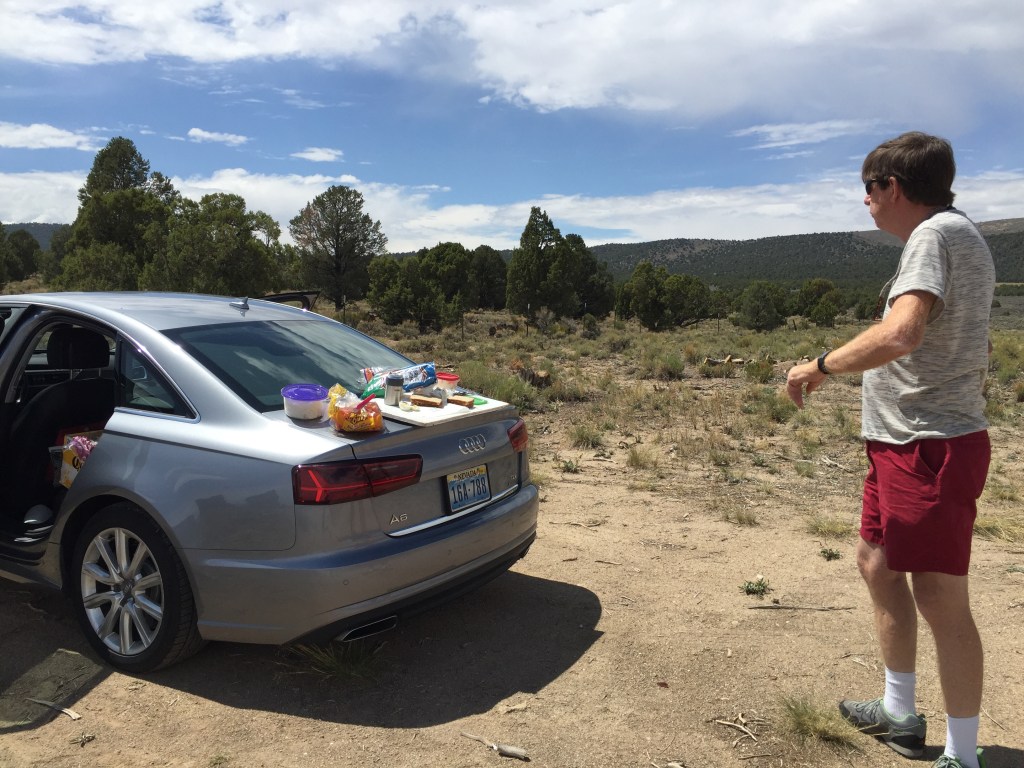
We stopped for a picnic lunch.
Lunch
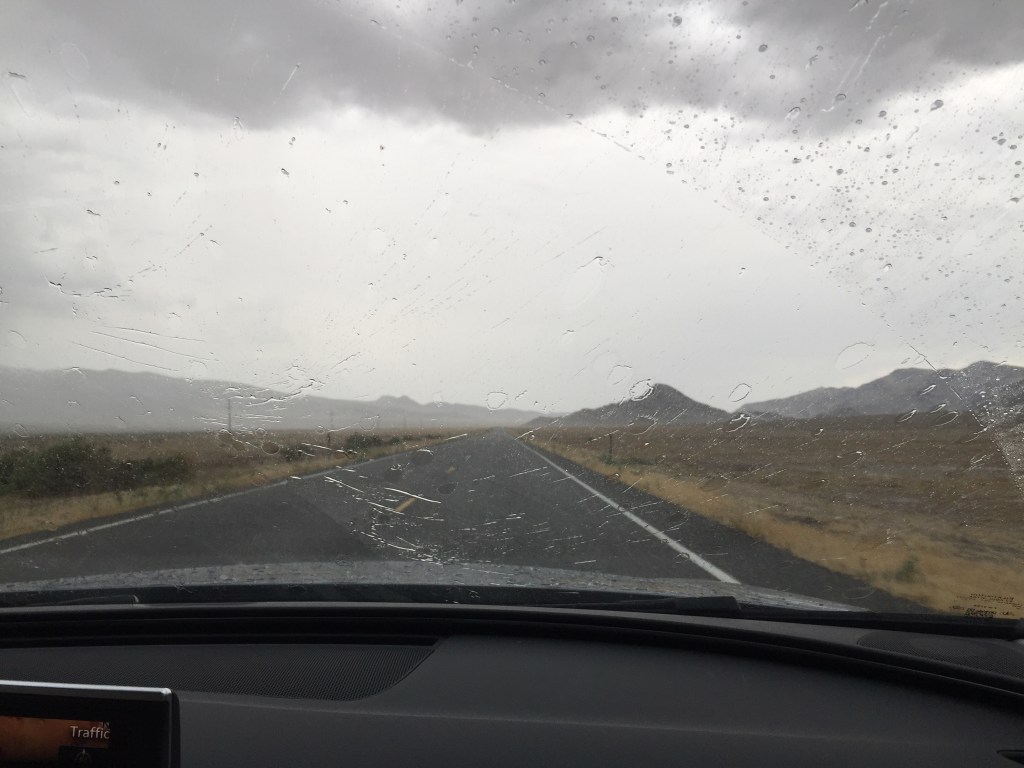
It rained some.
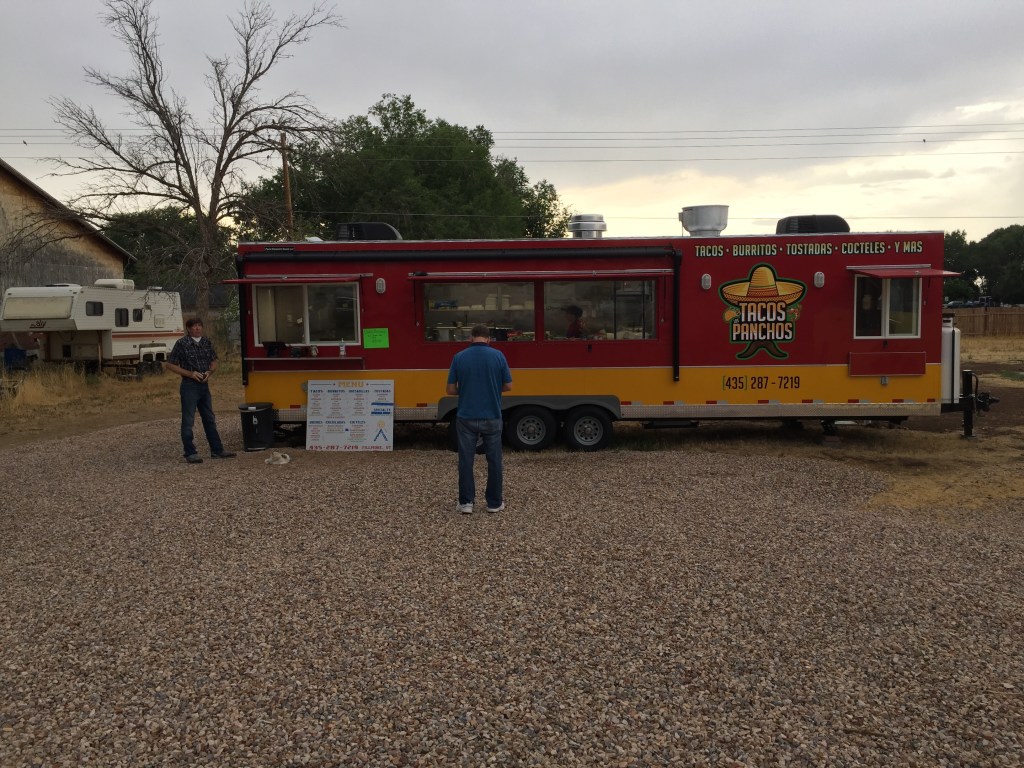
For dinner we got some great tacos at Tacos los Panchos in Fillmore.
Robert Strauss’ book, Worst. President. Ever. James Buchanan, the POTUS Rating Game, and the Legacy of the Least of the Lesser Presidents, is a different biography than any of the other presidential biographies I have read as I work to read a biography of each U.S. president. James Buchanan was president from 1857 to 1861. While Worst. President. Ever. tells the story of Buchanan’s life and presidency it also makes a very strong case for what an awful president he was. As Strauss said in a tweet in 2018:
“I know people don’t like Trump, but let’s face it, secession, Dred Scott, the worst depression of the 19th Century, invading more countries than any other president…and more. Buchanan is so clearly the winner (loser)”
@rsstrauss
The Dred Scott supreme court decision came out right after Buchanan was inaugurated. He arm twisted and lobbied for the wide ranging decision which basically said once a slave always a slave no matter where the slave lived. Buchanan was so clueless and out of touch with the country that he thought the decision would end the fight about slavery forever and the country could move on. The Dred Scott decision did just the opposite.
Buchanan named a cabinet that was like minded and primarily southerners and southern sympathizers. His secretary of the treasury, Howell Cobb had once owned a thousand slaves on his Georgia plantation. The cabinet were congenial. There was no one who could tell Buchanan when he was wrong.
Duke and I visited Paraguay in October of 2019. It is a land locked country between Brazil and Argentina. Even though I’ve been to Paraguay I had no idea that in 1859 the United States invaded Paraguay! Buchanan sent 2,500 marines and nineteen warships. It took a long time to get to South America and up the Parana River to Asuncion, the capital. By the time they got there the squabble was over.
At least I’ve heard of the other war Buchanan tried to get the U.S. into. The pig war started when a farmer shot a pig that belonged to the Canadian Hudson Bay Company. Buchanan sent General Winfield Scott, Captain George Pickett, troops and warships to the Strait of Juan de Fuca on the Canadian border in northwest Washington state. Luckily Scott negotiated a truce.
The book explains how Buchanan and his policies ensured that he presided over what became the worst depression in the 19th century and how he made sure that he not only did nothing to avoid the civil war but in fact insured that the southern states seceded. A final legacy of Buchanan’s disastrous presidency was essentially the destruction of the Democratic party. In the fifty years after he left office there was only one democratic president, Grover Cleveland.
In his last chapter, The Legacy of the Least of the Lesser Presidents, Strauss points out that we can learn a lot about how to be a better president by studying failures like Buchanan and his presidency.
Worst. President. Ever. was thought provoking and interesting. I learned a lot from it and would recommend it to anyone interested in American history and the American presidency.
I just finished reading Candice Millard’s book Destiny of the Republic. The subtitle of the book is A tale of Madness, Medicine and the Murder of a President. That pretty much sums up this book about our twentieth president, James Garfield and his assassination.
Destiny of the Republic is the latest book I have completed as a part of my Presidential Reading Project. I’m reading at least one book about each of our presidents. If you would like to see a summary of my progress, a list of the books I’ve read and links to my reviews of them is here.
James Garfield was born in 1831. He was inaugurated as President in March of 1881. He was shot in July of 1881 and he died September 19, 1881. He was just 49.
Garfield did not want to run for president. He was drafted on the 36th ballot taken at the Republican National Convention in Chicago. He appears to have been a truly good man who wanted to bring the country together. I think he would have been an excellent president.
Garfield’s vice presidential running mate was chosen with no input from Garfield. Chester Arthur had never held a public position except as Collector of the New York Customs House a position he was appointed to for political reasons. Politically he was the creation of Roscoe Conkling the senator from New York who was probably the most powerful man in the country and perhaps also the most corrupt.
Even though Joseph Lister and the antiseptic surgery he pioneered were widely accepted in Europe in 1881, the idea of germs was considered laughable by the doctors who treated Garfield. He probably would have lived if the doctors had not introduced germs as they repeatedly searched for the assassin’s bullet. Ultimately it was the infection that killed Garfield.
Garfield’s assassination by a madman who thought he was doing God’s work was so pointless. Nevertheless I thoroughly enjoyed Destiny of the Republic. I appreciated the hopefulness of it. Garfield became President shortly after the end of the Civil War at a time when our country seemed irrevocably divided. I especially like one of the points Millard makes about Garfield in the epilogue.
“The horror and senselessness of his death, and the wasted promise of his life, brought tremendous change to the country he loved — change that, had it come earlier, almost certainly would have spared his life. Garfield’s long illness and painful death brought the country together in a way that, even the day before the assassination attempt had seemed to most Americans impossible. “
Last Sunday and Monday nights Duke and I went camping south of Lake Tahoe in the Sierras. The skies were smoke free and the scenery was stunning.
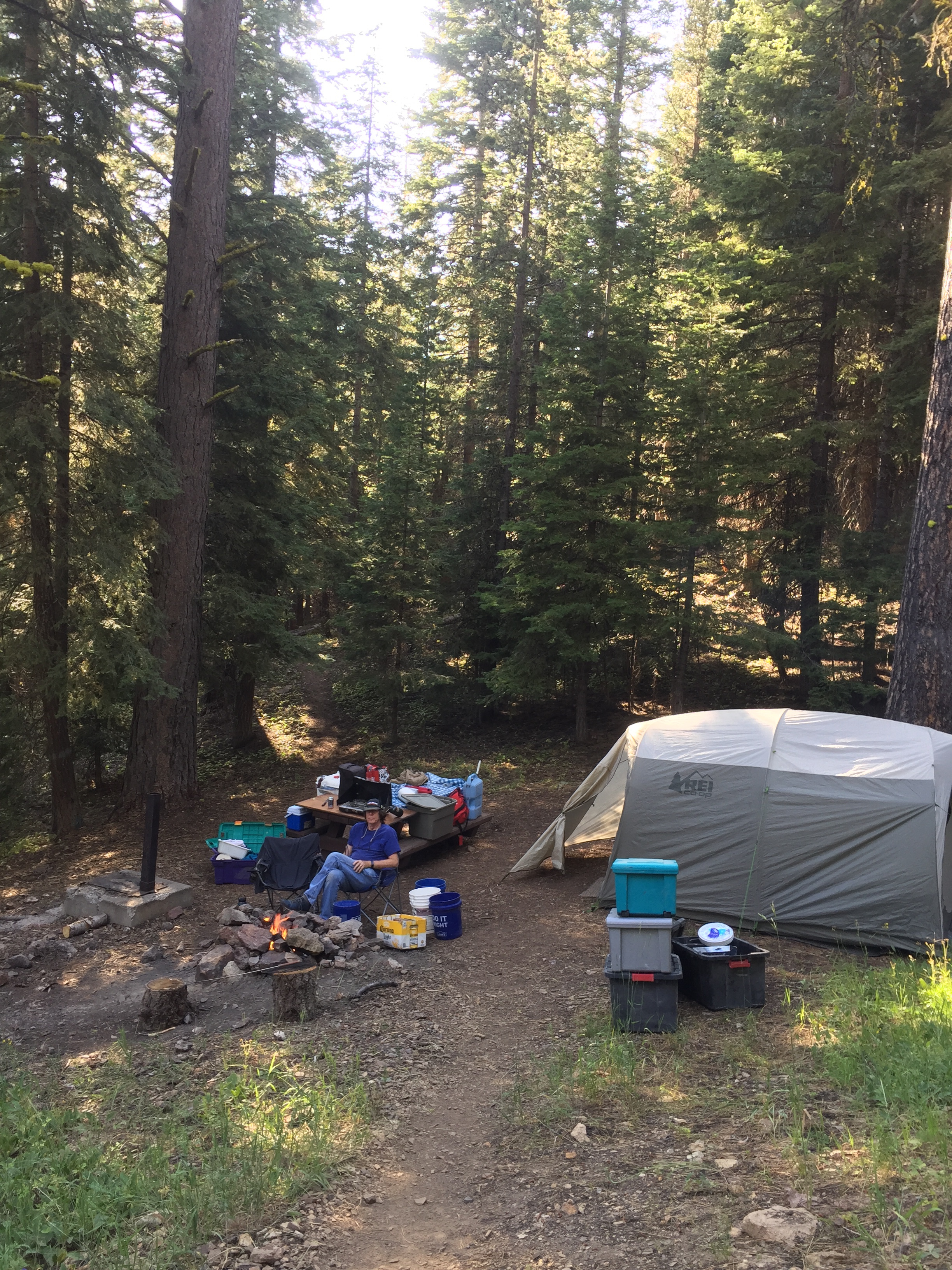
Sunday we camped in Middle Creek campground just below Upper Blue Lake. Our campsite was right next to a stream. We could see little fish jumping in the nearest pool.
Our campsite in Middle Creek campground
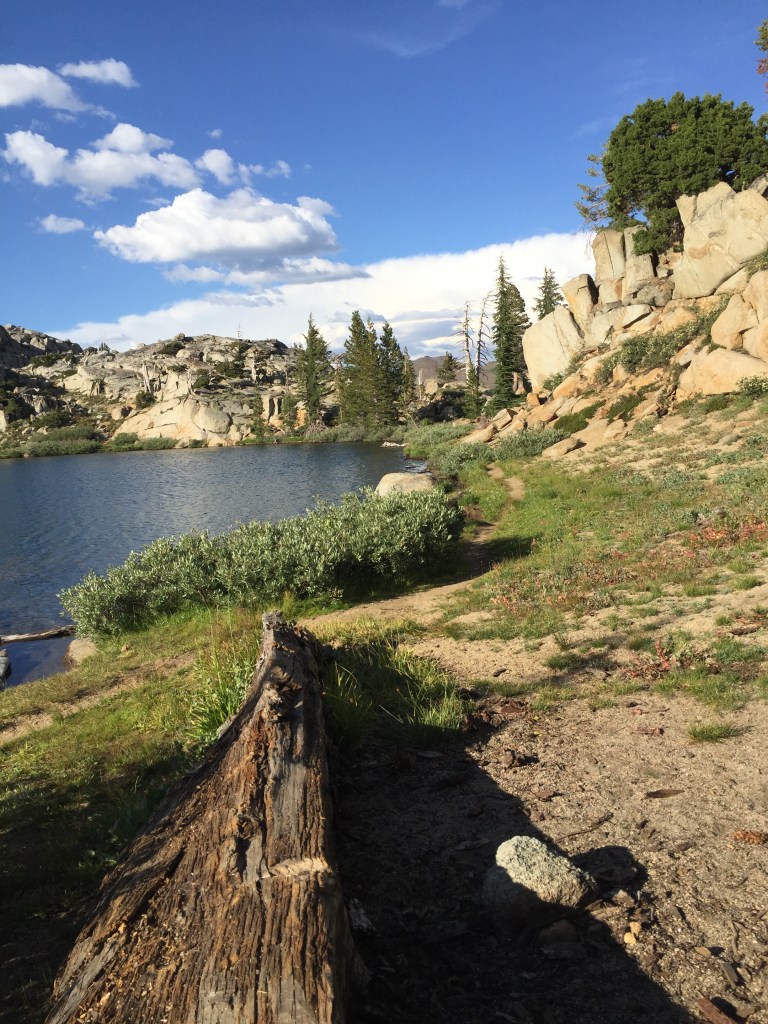
After setting up camp we hiked to nearby Granite Lake.
On the trail to Granite LakeGranite Lake
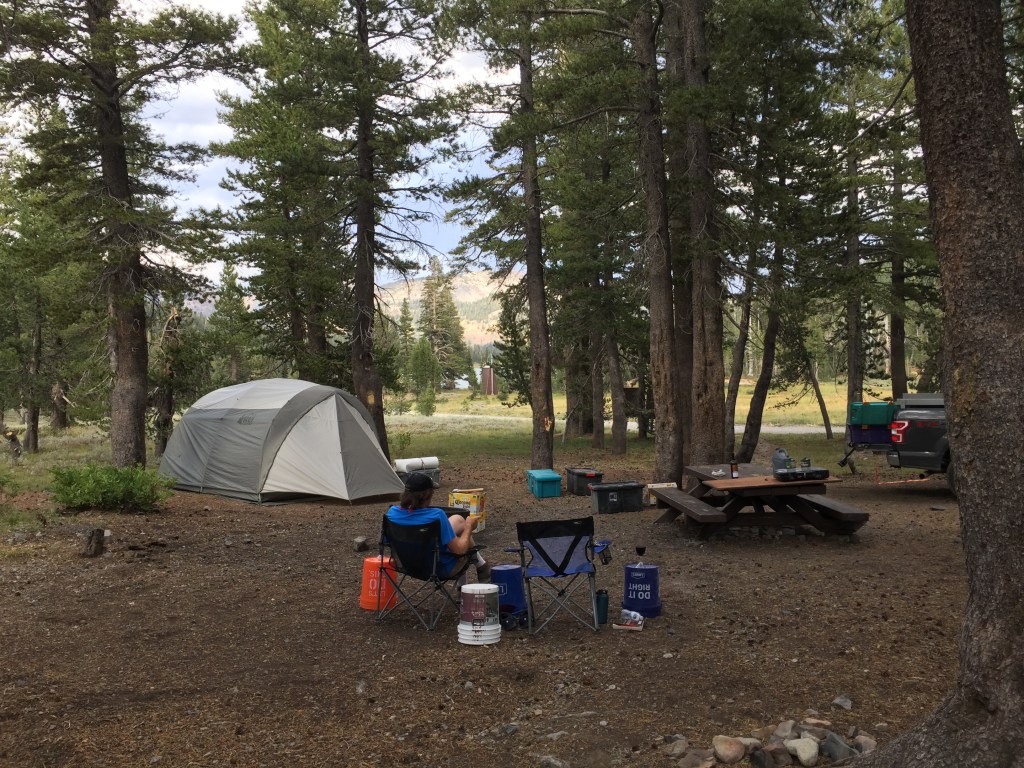
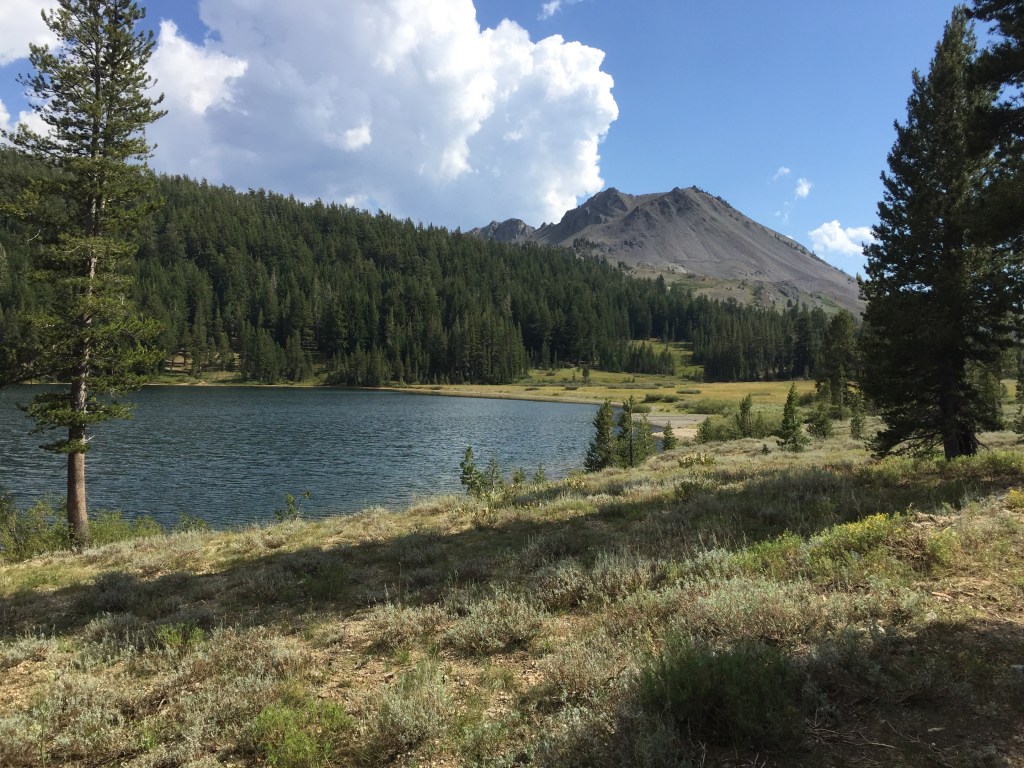
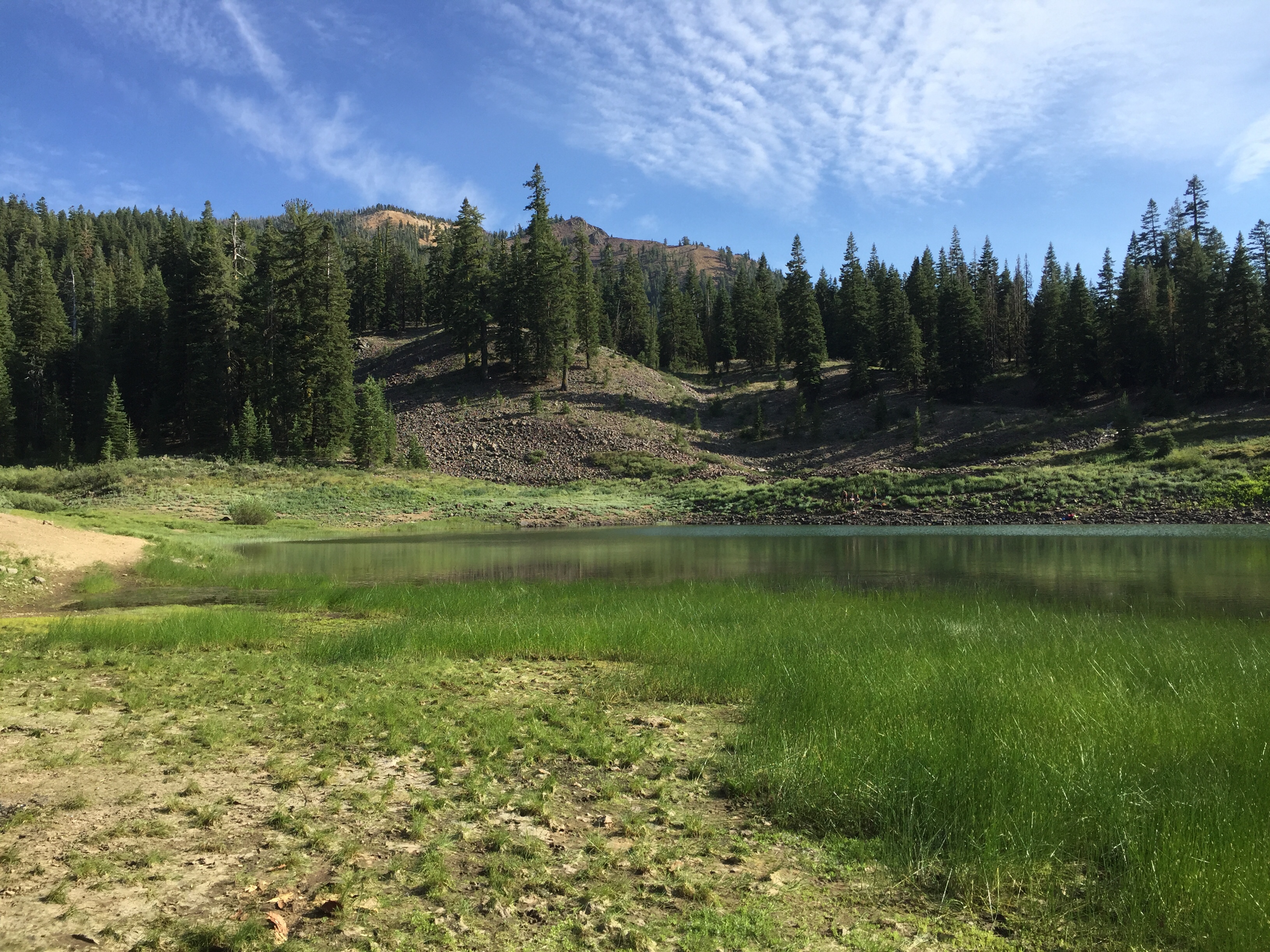
Monday we drove to the Highland Lakes area just south of Ebbett’s Pass. We had another great campsite. We could see the lake in the distance.
Our campsite at Highland Lakes CampgroundHighland Lake
The drive home on Tuesday took us about two hours. Reno and our house are totally buried in smoke from the wildfires near us and in California.
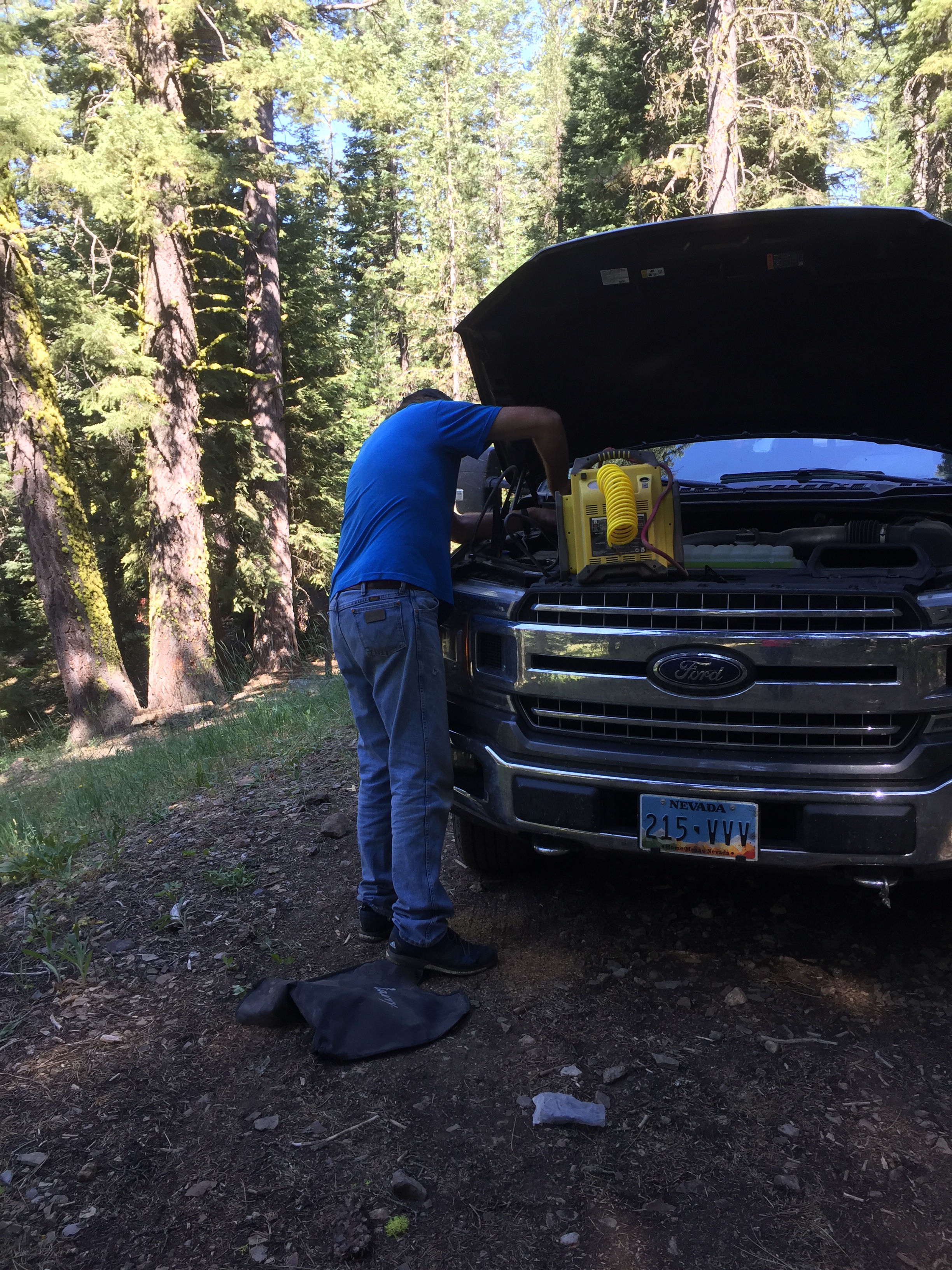
The only bad thing about this trip was that the battery in our new Ford truck was dead both mornings. The truck had to be jump started. We have an appointment to take it in for repairs in a couple of weeks.
Duke and I have decided to go out camping and exploring every couple of weeks during this time of quarantine. It is a great way to maintain our mental health, such as it is! We just returned from a trip to the area where the northeast corner of California and the northwest corner of Nevada meet.
We drove north from Reno on highway 395 almost to the Oregon border and camped the first night at Cave Lake forest service campground. We had a lovely isolated camp spot just a short walk from the lake.
Because there was going to be a full moon we wanted to stay up until the moon cleared the mountains. After dinner we sat by the fire for a while and then sat in the truck and listed to the wonderful This week in Virology podcast. In the morning when we were ready to leave the truck wouldn’t start. The battery in our relatively new truck was dead! Luckily we have a portable jump starter which worked perfectly.
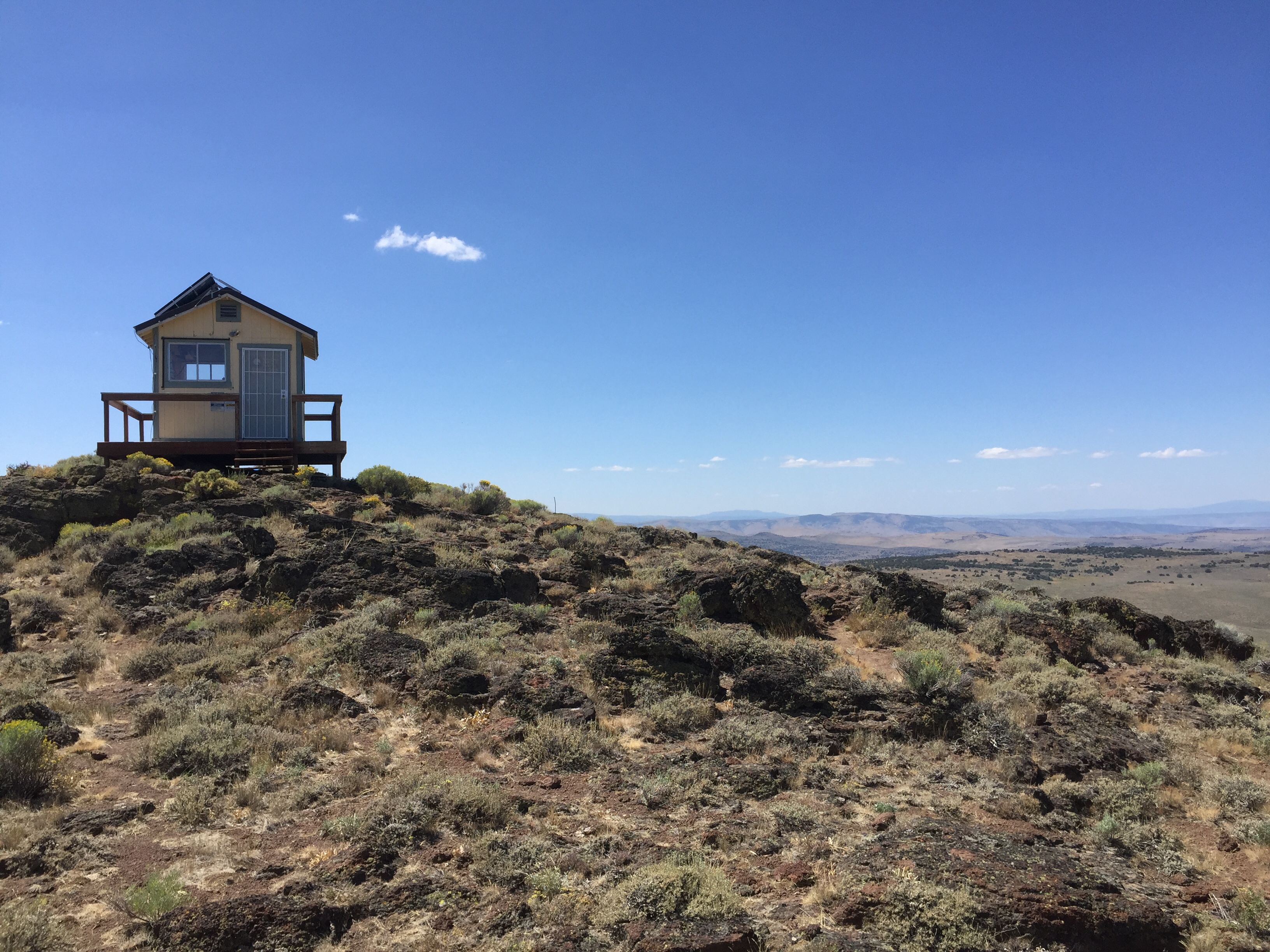
We drove east into California and into the Sheldon National Wildlife Refuge. Just inside the refuge we took a side road to the top of Bald Mountain where there is a fire lookout tower and a magnificent 360 degree view.
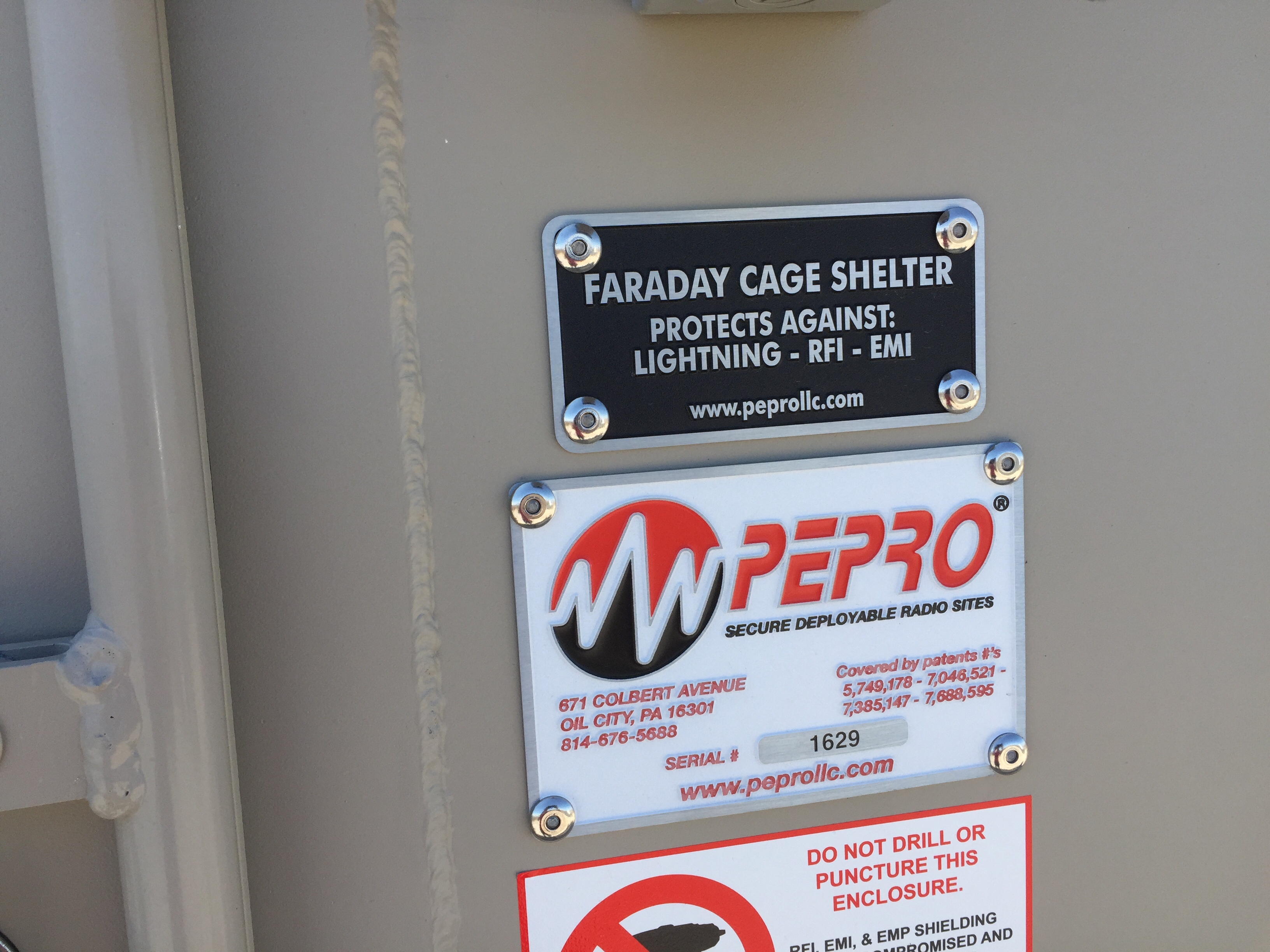
They also had something I had never seen before, a Faraday Cage Shelter.
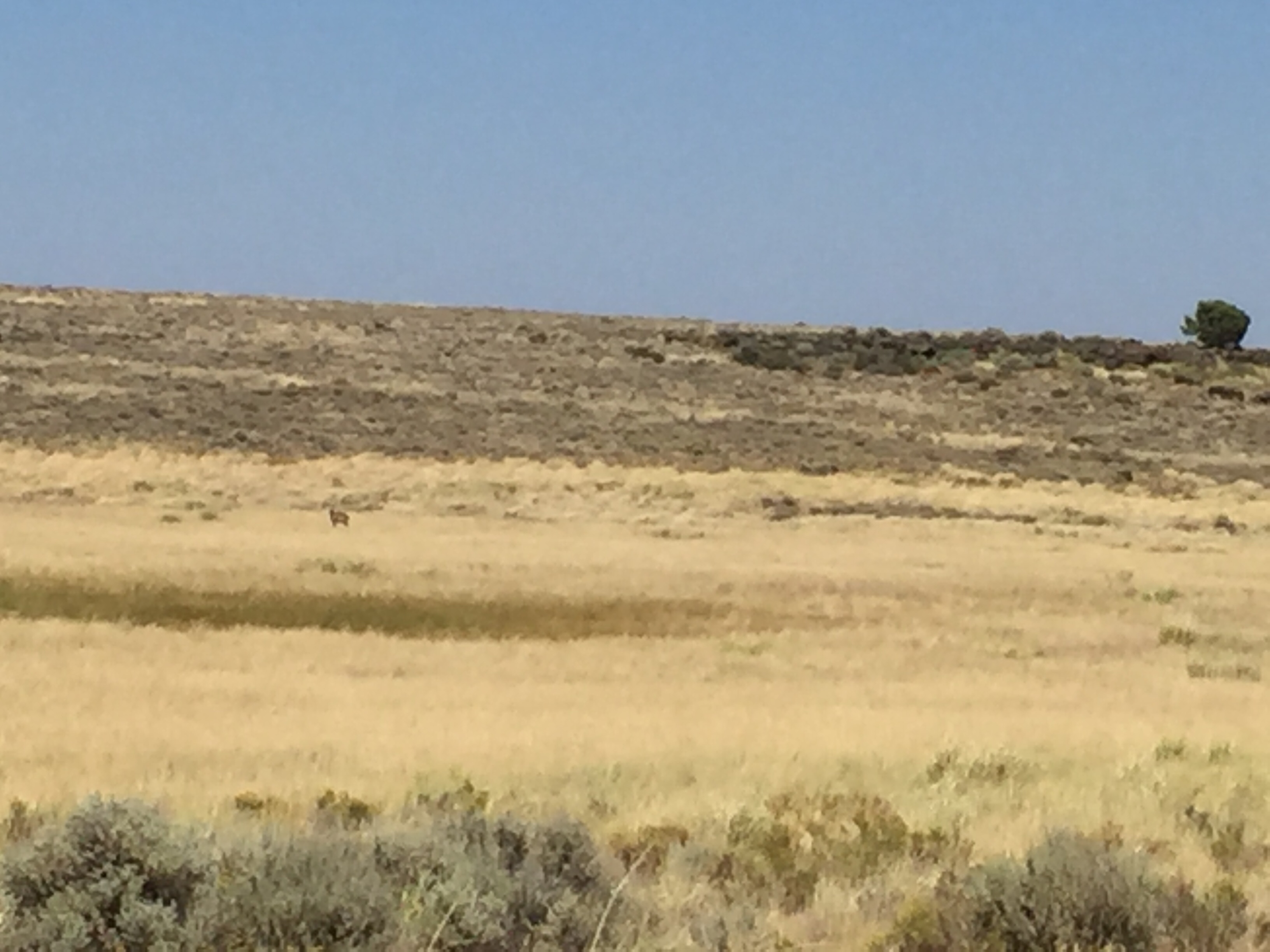
As we drove through the refuge we saw several groups of Pronghorn antelope. Unfortunately they were all in the distance but they are extremely fast and fun to watch.
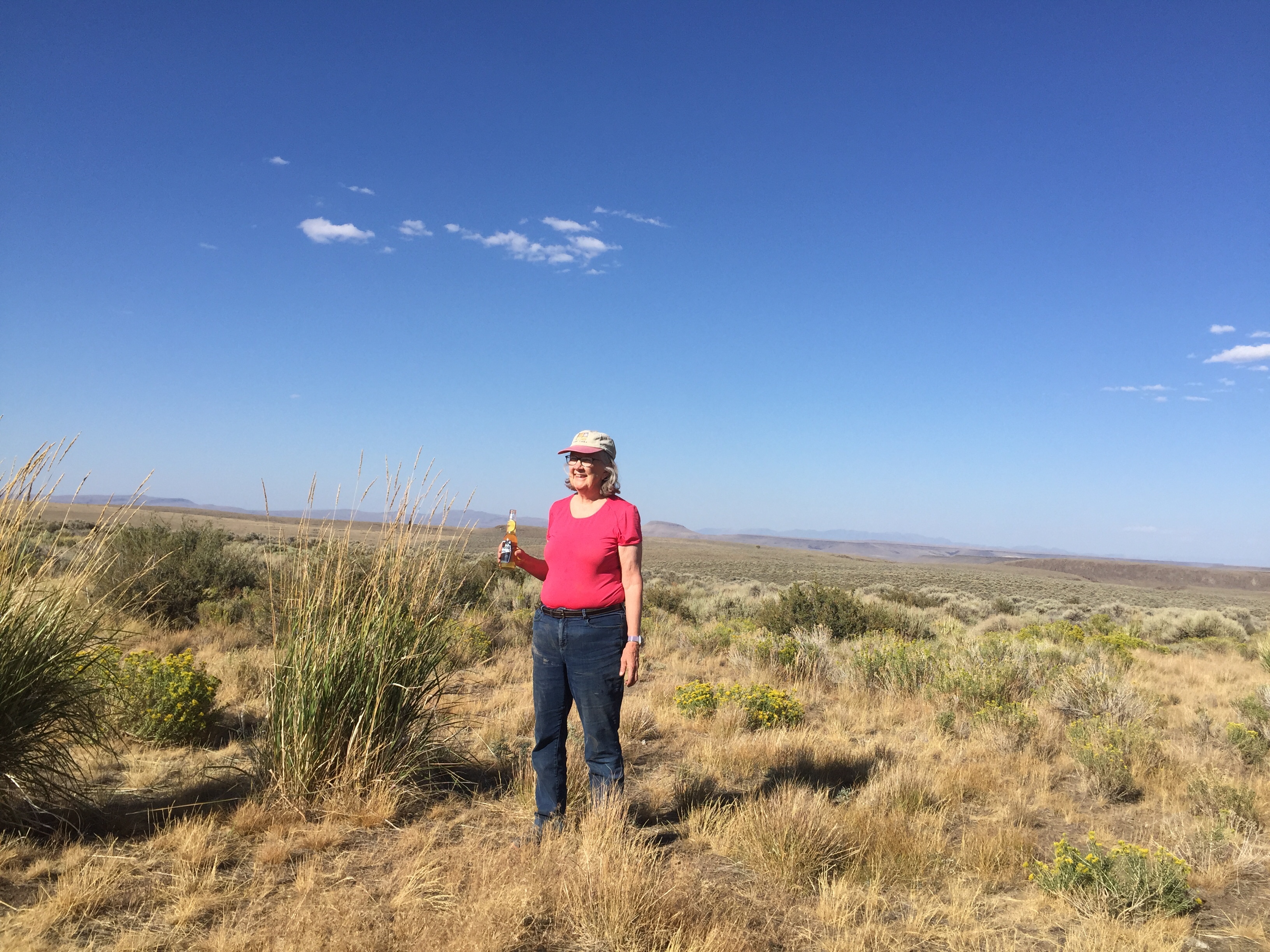
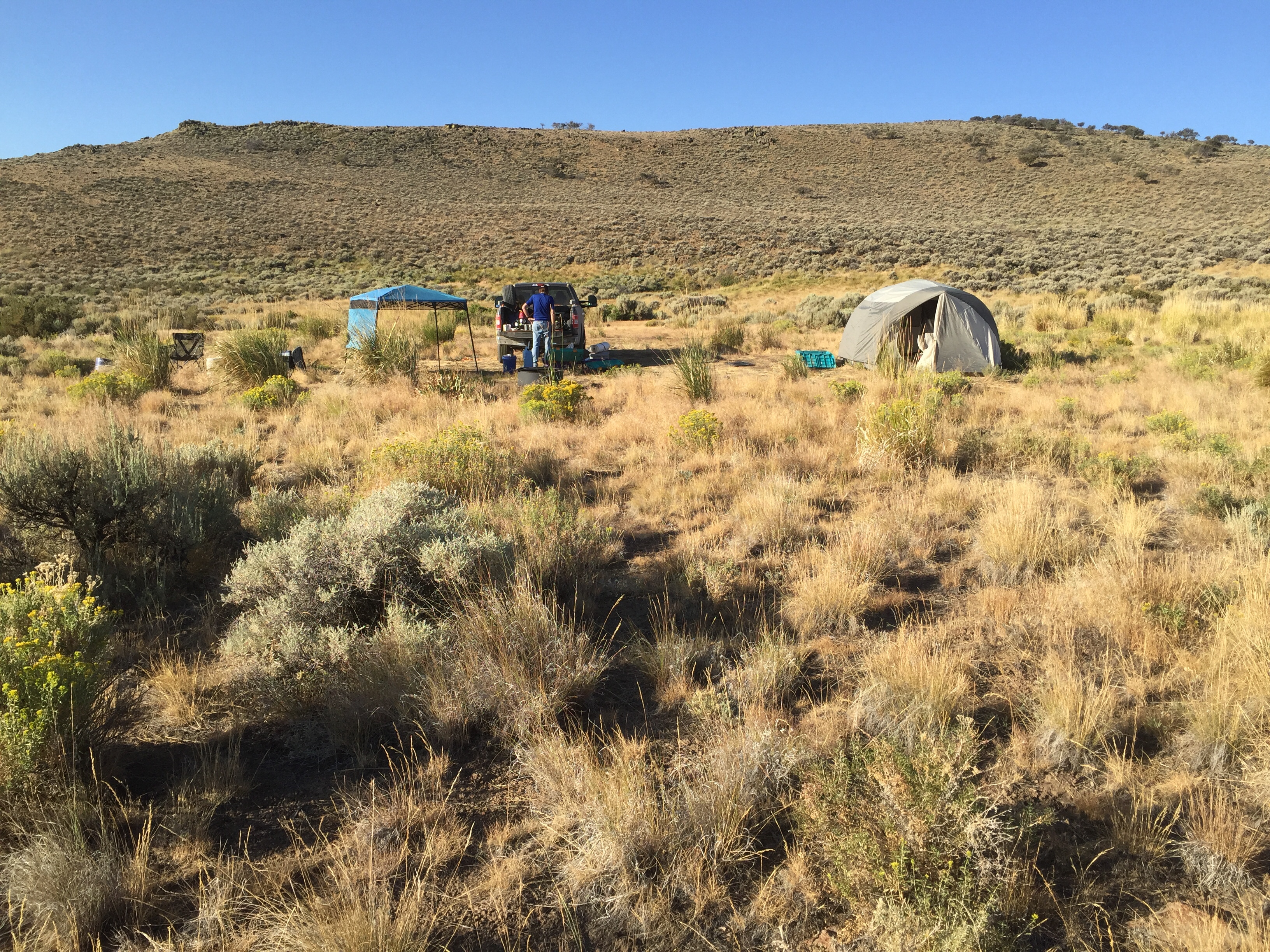
All the campgrounds in the refuge had “No Campfires” signs. I’m sure the restriction is because of the high fire danger. So our camp at Gooch Spring was a dry camp.
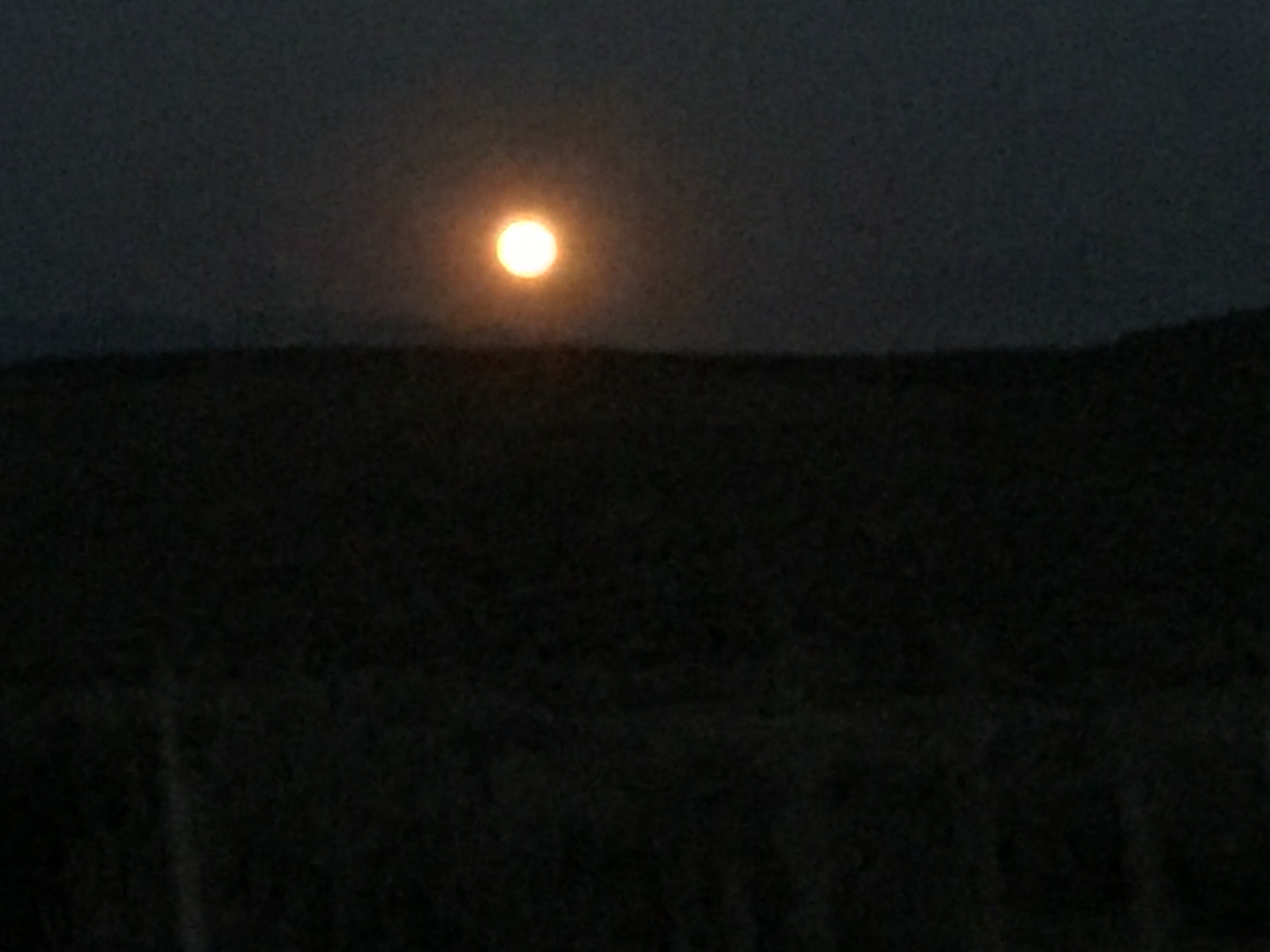
The horizon was a long way away and there were no trees so the moon was spectacular when it came up.
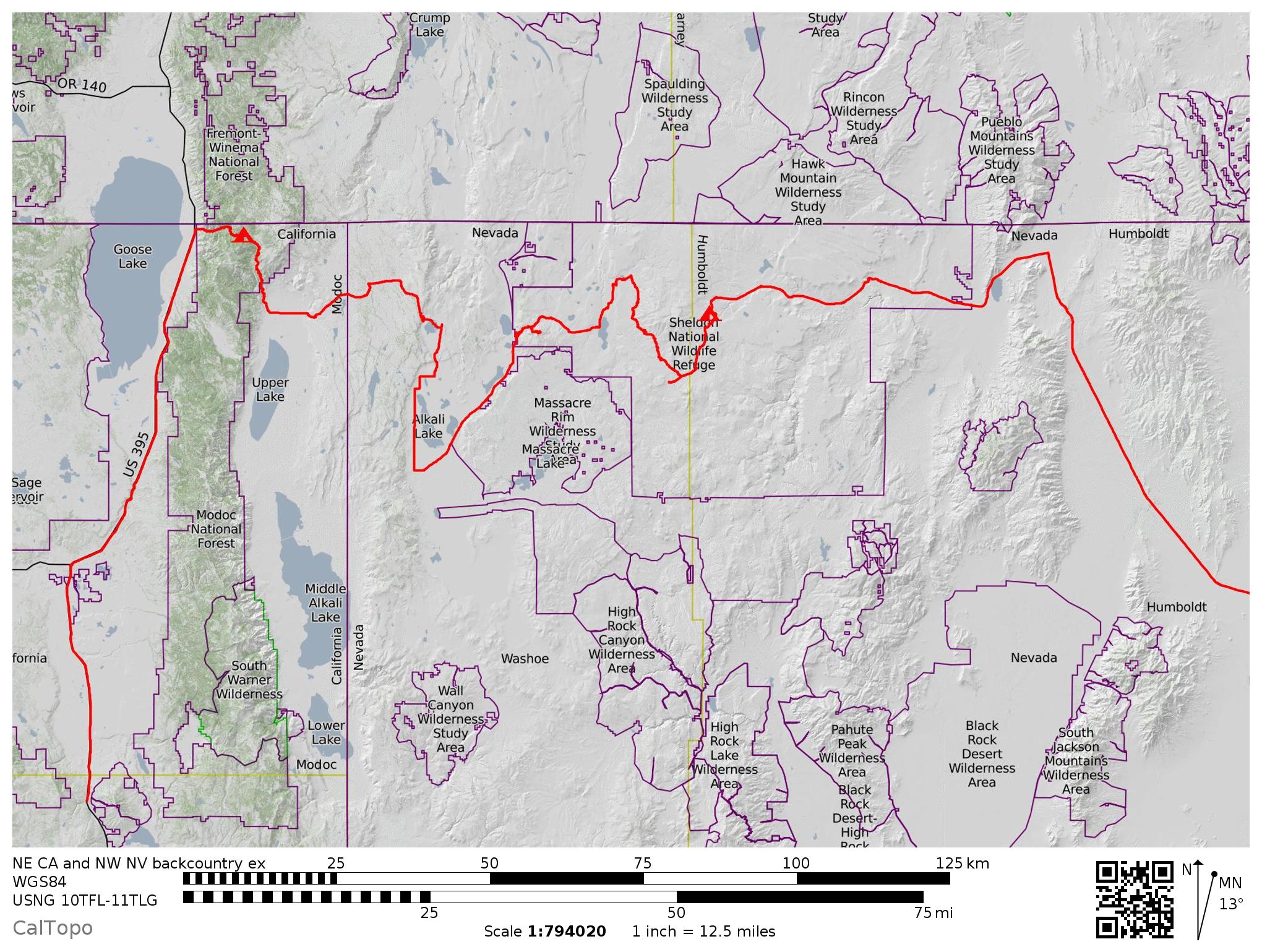
If you would like to see more details of our route you can click the map below to open an interactive CalTopo map in a new browser tab.






 Marion's Blog