Parador de Corias to Parador de Cangas de Onis

Our drive today was about two hours. Before leaving Corias we were able to look into the church. It was open because they were preparing for Mass. The church is a part of the monastery and so it’s built into the Parador building.

The Corias church
Inside the church

About half way through our drive we saw a sign for the caves of Peña de Candamo. According to Google they have great prehistoric art. Unfortunately the visitors center was closed and you can only enter the caves on a tour.
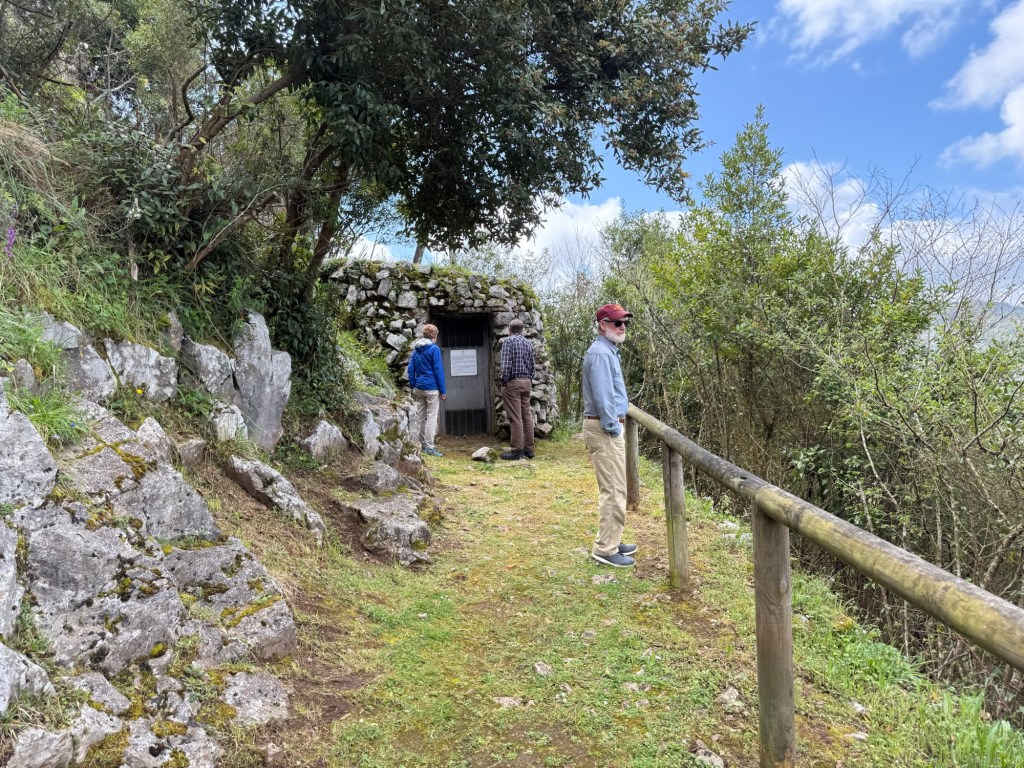
Entrance to Cueva de La Pẽna de Candamo
We have seen hundreds of of corn cribs built in this style

At the Parador of Cangas de Onis we had our welcome drinks, played some cards, and then went for a walk about two miles up the river to the actual town of Cangas de Onis, where we stopped for coffee.
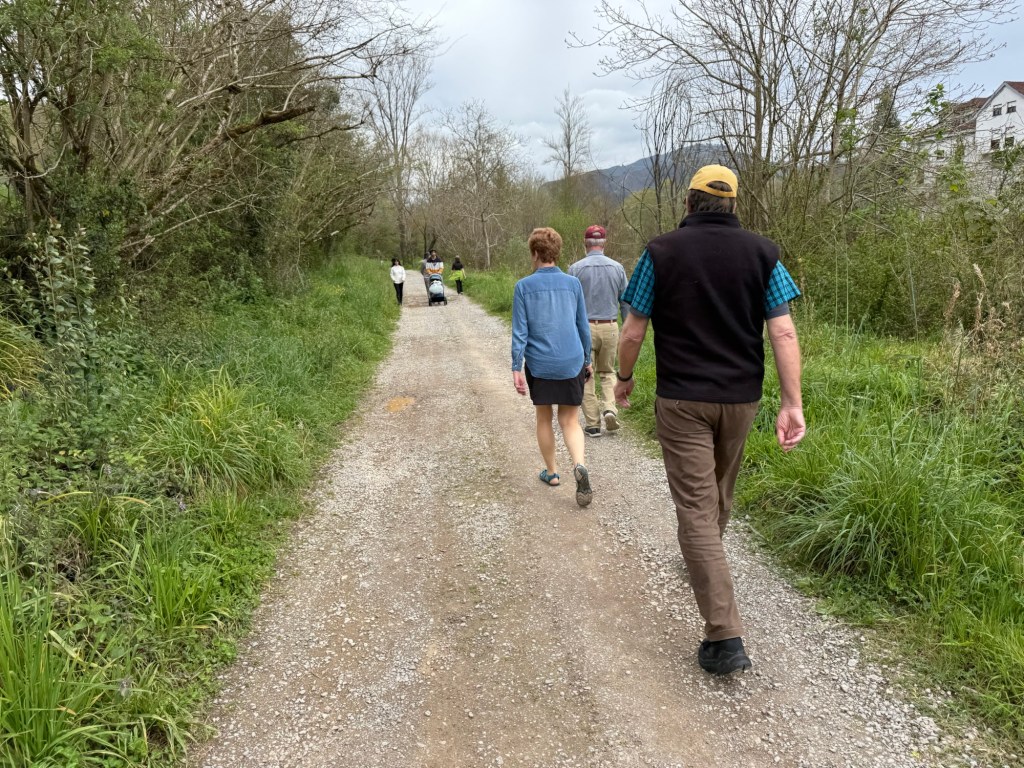
On our walk
Stopped for coffee

Cangas de Onis has a magnificent Roman Bridge. We crossed it and walked back to the Parador on the other side of the river.

Cangas de Onis Roman Bridge

We had a great Parador dinner.
My pork carpaccio with apples, honey, peppers, and sorbet
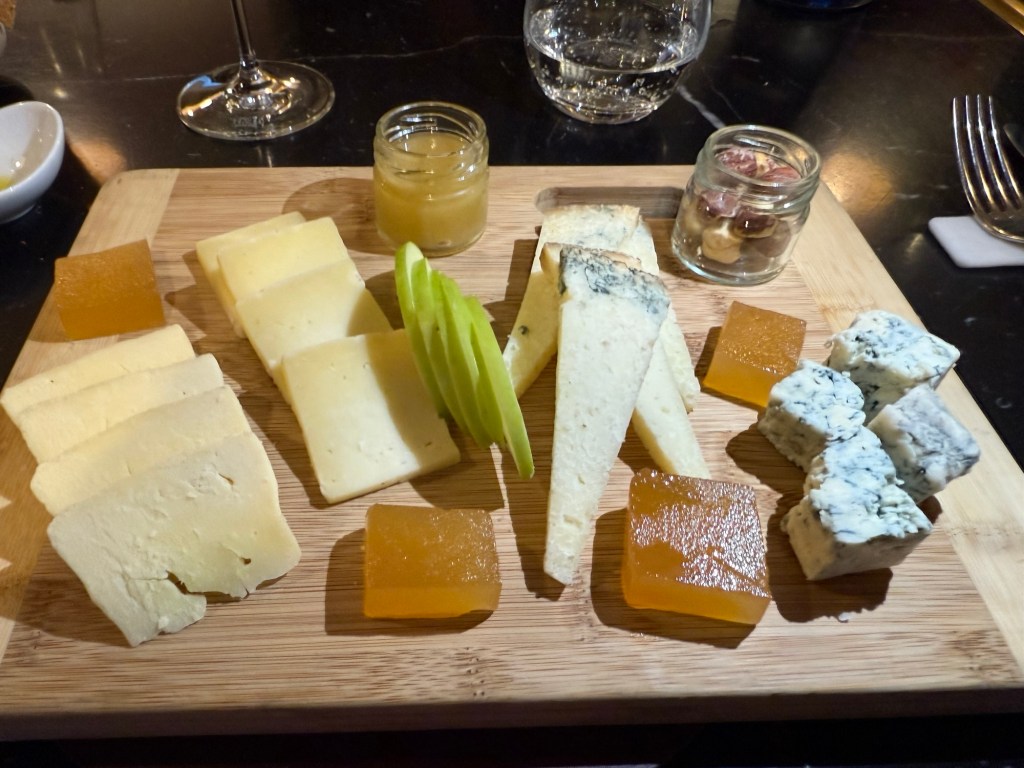
Duke’s cheese board starter
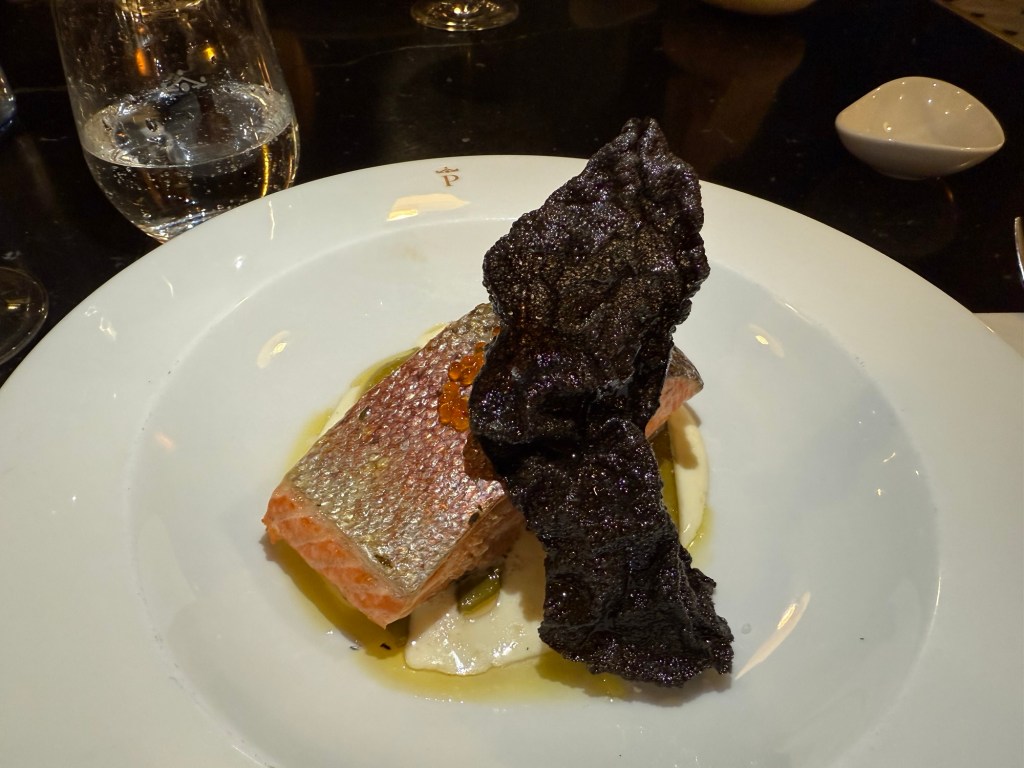
My trout
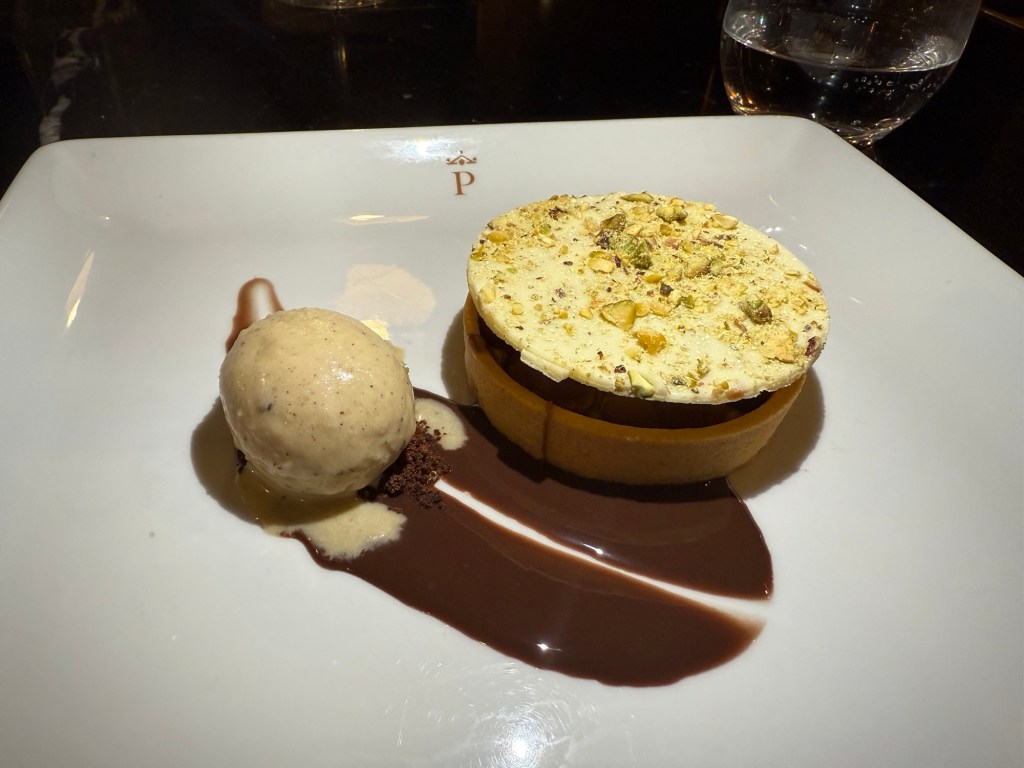
My chocolate tart with white chocolate, pistachios, and cinnamon ice cream

Parador de Santo Estevo to Parador of Corias

Today we had a four hour drive from the Parador de Santo Estevo in Galicia to the Para de Corias in Asturias. We saw a lot of beautiful and interesting scenery along the way. The weather varied from pouring rain to sun.

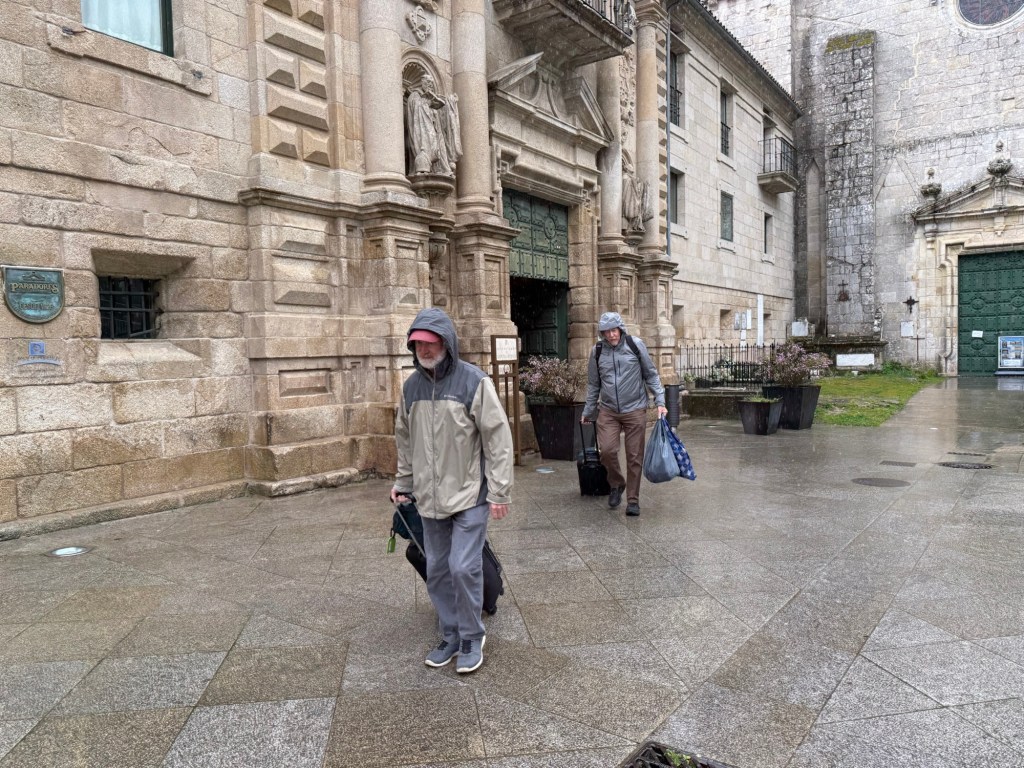
Leaving the Parador of Santo Estevo in the rain

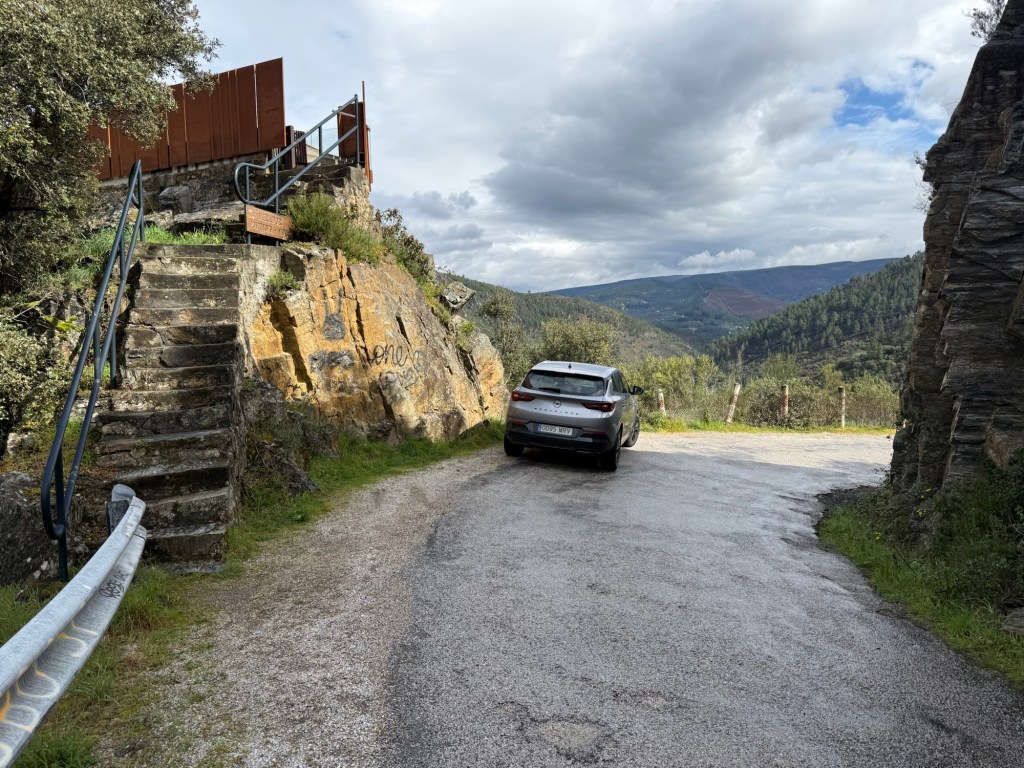
A lot of the road today was windy, narrow, and mountainous. About 20 minutes after leaving we stopped at this great vista point.

Narrow main road and a mirodor (scenic viewpoint)
High above the Sil River

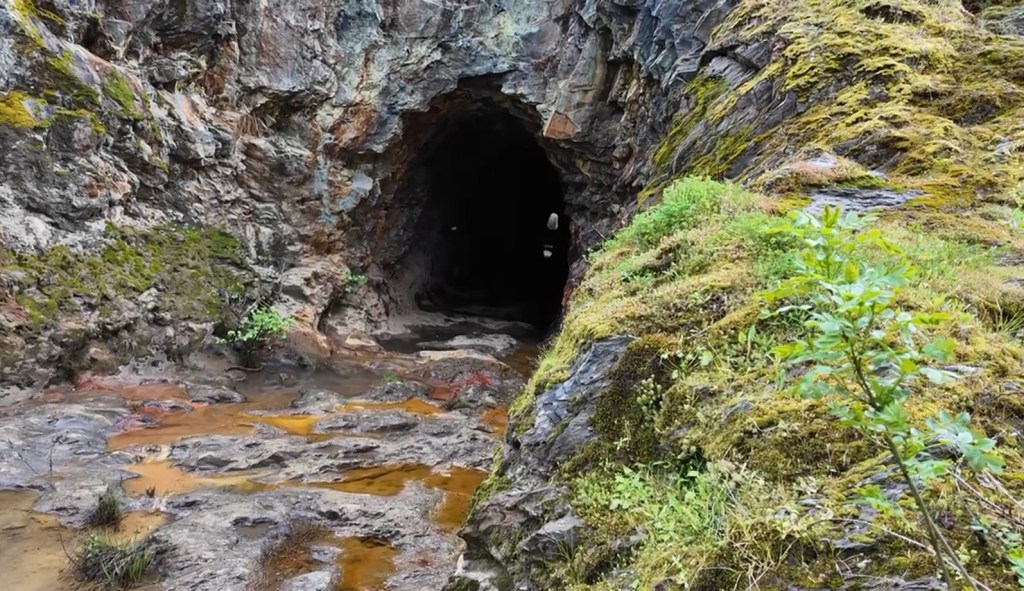
Later we saw a sign for a Roman tunnel and had to check it out. According to this website the Romans built the tunnel in the second century A.D. to get at the gold brought down by the Sil River.

The side road to the Roman Tunnel
The Túnel Romano de Montefurado

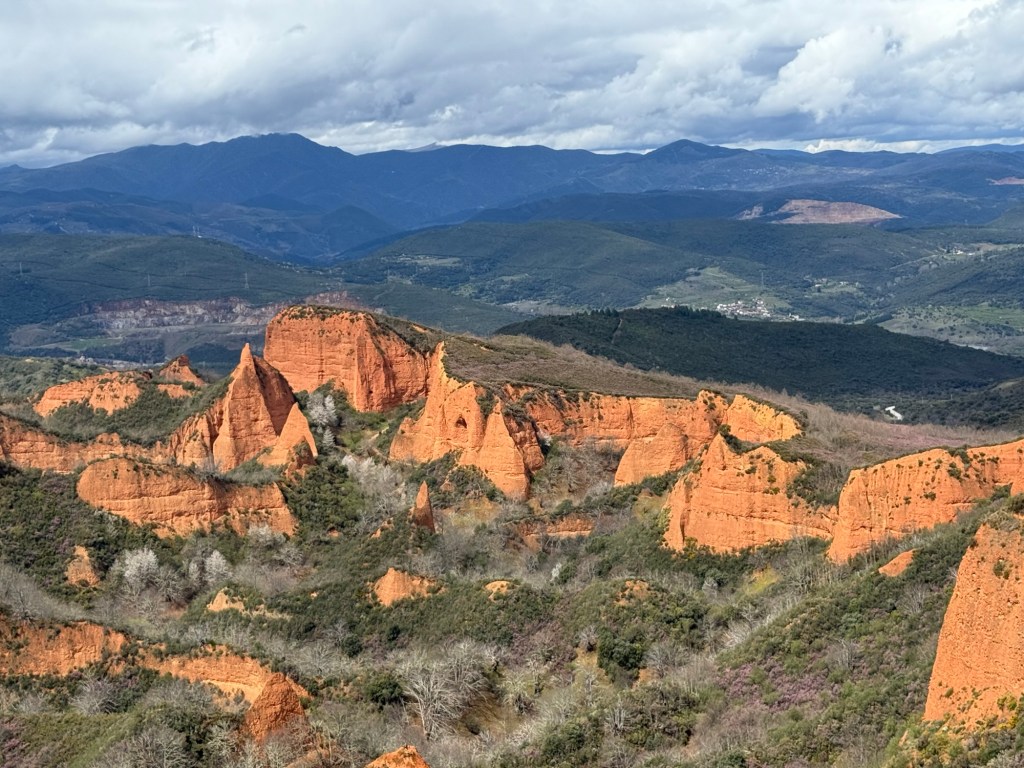
Our next stop was Las Medulas, an area where the Romans used water to wash away an enormous area of mountains to get the gold out of the soil. They built extensive tunnels then filled them with water at high pressure and collapsed the mountains.

Going into the Visitor Center
A display in the visitors center
We drove up to a parking lot then hiked up to a viewpoint
La Medulas – the terrain left after the Roman mining

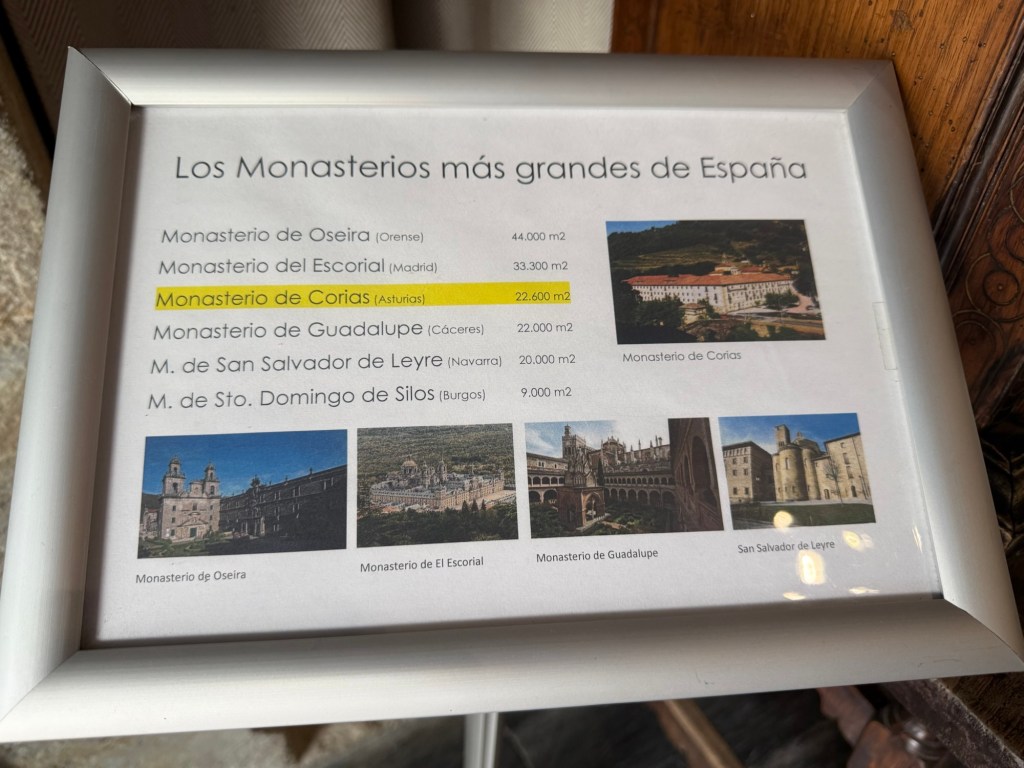
After stopping for groceries, we finally arrived at the Parador of Corias. The monastery’s size is the third largest in Spain. A sign in the lobby says that the Oseira Monastery that we visited yesterday is the largest.

Spanish monasteries listed by size

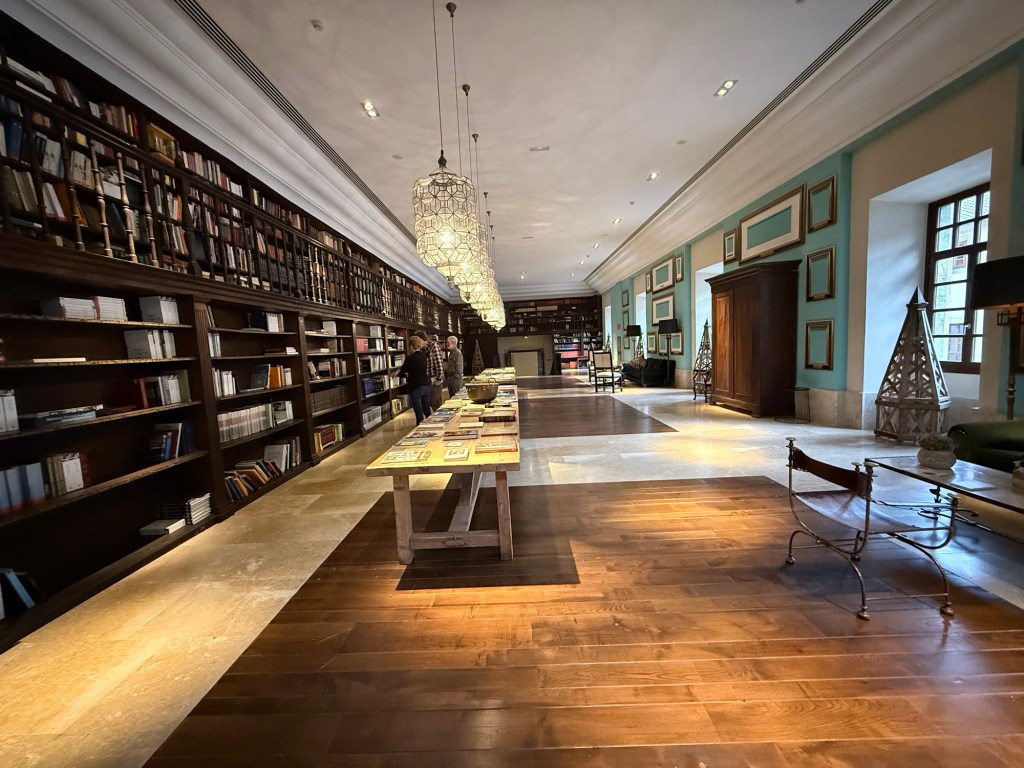
The Corias monastery has beautiful big hallways and rooms. The library is gorgeous.

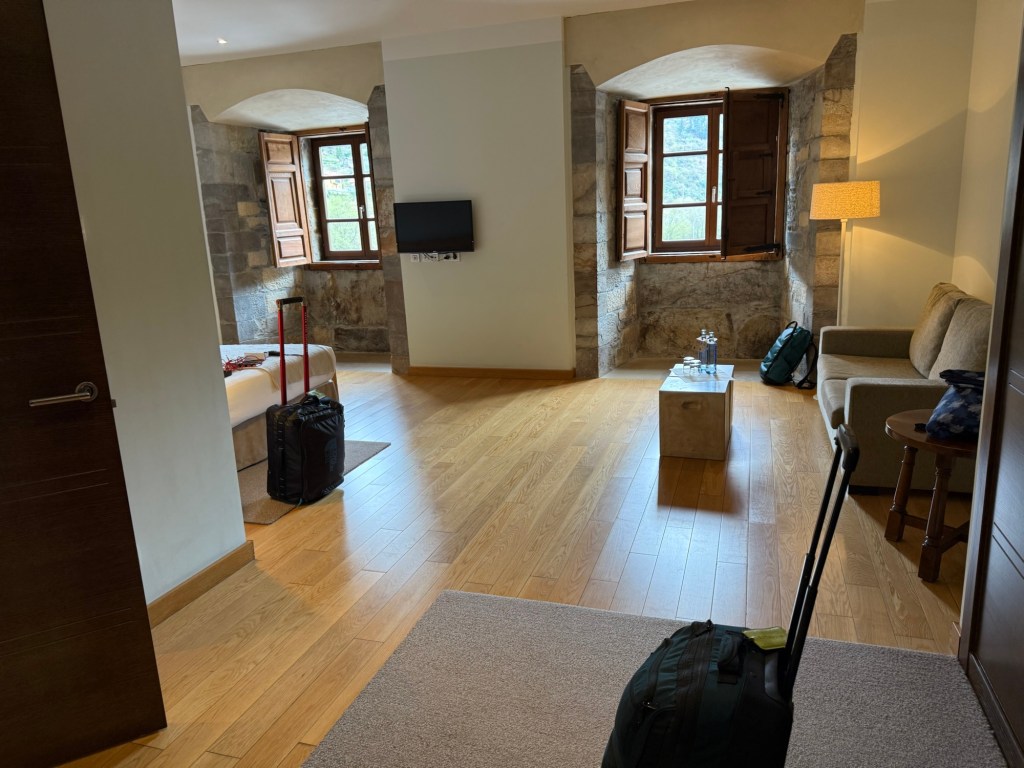
Our room at the parador of Corias
The Corias Parador Library

We had a picnic dinner in the room and played cards.

Dinner